
2nd Edition of Preventive Medicine World Conference 2026
Scientific Committee
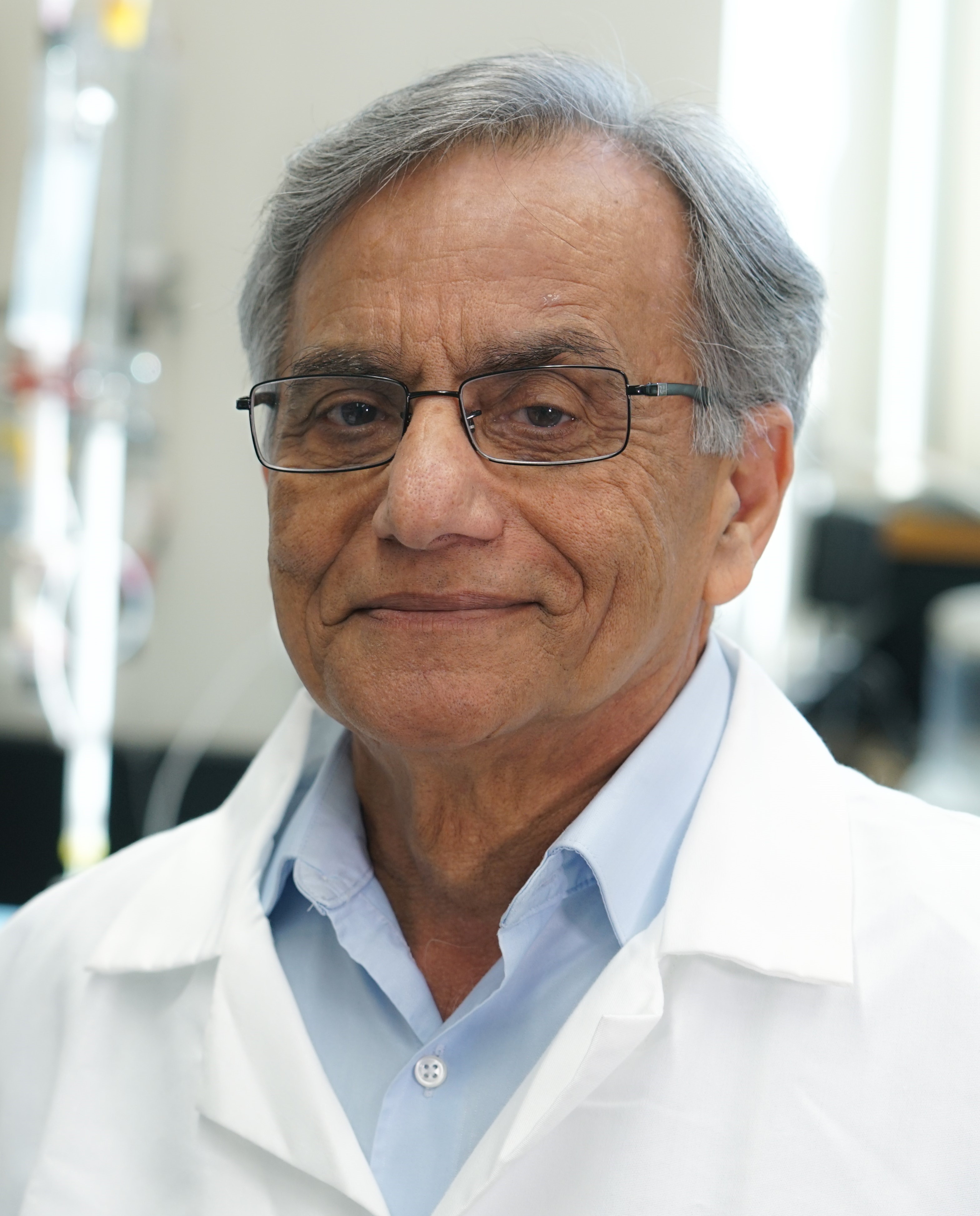
Kailash Chadha
Kailash Chadha
- Designation: Roswell Park Comprehensive Cancer Center
- Country: USA
Biography
Kailash Chadha is the Emeritus Associate Member and Associate Professor of Oncology in the Department of Molecular and Cellular Biology at Roswell Park Cancer Institute. He has 125 publications, written several book chapters, edited a book and currently holds six U.S. patents. His immediate interest is in developing “new” biomarkers in early detection and management of CaP and in studying role PSA in tumor growth & metastasis. His research is being supported by National Cancer Institute, American Cancer Society, National Multiple Sclerosis Society, and EMD Serono Inc.
Abstract
In the United States, prostate cancer (CaP) is the most common non-skin cancer in men and third most common cause of cancer deaths in men. Black men experience a higher burden of incidence and mortality from CaP compared to White men. The Prostate-Specific Antigen (PSA) test, a commonly used biomarker for early diagnosis and management of CaP, cannot alone accurately predict the presence of CaP, its aggressiveness, or the risk of post-treatment recurrence. The widespread use of PSA testing in CaP screening is controversial partially because patients with benign enlargement of the prostate often have elevated levels of PSA and many men with diagnosed CaP have a normal PSA. Consequently, a search for more effective prostate tumor biomarkers is overdue.
Our studies thus far have shown that concurrent measurements of the levels of serum cytokines such as IL-8, TNF-α, and sTNF-R1 (KAPS biomarker) provide a significant advantage as a CaP biomarker over PSA measurements alone in differentiating men with CaP from men without CaP. Our working hypothesis is that both Black and White men with CaP have altered circulating levels of KAPS biomarker compared to men without CaP. Further, the extent to which these levels are altered will vary according to CaP risk factors and can be used as a tool to improve the early detection of CaP and CaP treatment decision-making. We tested our hypothesis in a retrospective study of men with elevated PSA but a negative prostate biopsy, patients diagnosed with localized prostate cancer and patients with castration resistant CaP (CRPC).
The predictive accuracy of the markers was described using receiver operating characteristic (ROC) curves. In our analysis, AUC values greater than 0.8 were considered as useful in predicting CaP outcomes for individual patients. All the comparisons for KAPS biomarker were statistically significant at the p<0.05 level. The AUC for each of marker alone was statistically superior to PSA alone (p<0.01 for each pairwise comparison). Each of the KAPS-marker combination AUCs was significantly better than PSA alone (p<0.01 for all), but not statistically different from each other. Combining TNF-α with PSA resulted in a 3.0-fold decrease in the PSA-Alone False Positive Fraction (FPF), and a 3.7-fold decrease in the PSA- Alone False Negative Fraction (FNF). The PSA+sTNFR1 combination had a 5.9-fold decrease in the FPF, and a 2.5-fold decrease in TNF.
The ability of KAPS-biomarker was also effective at distinguishing between localized CaP and metastatic CaP patients. AUC results (with 95% confidence intervals) for additive combinations of these biomarkers will also be discussed. The best predictor of localized CaP vs. metastatic CaP was KAPS combined with PSA 0.999 (0.998 to 1.000). Due to the reported significant racial differences in the diagnoses of and mortality from CaP, future CaP biomarker studies should include a racially diverse sample of men, especially Black men. We have now extended our studies on KAPS biomarker that includes 1500 participants, including nearly 30% of Black men. Our recent results will be presented at this meeting.
Join us at 2nd Edition of Preventive Medicine World Conference (PRMWC) 2026 in Bangkok, Thailand as we bring together leading health p ...
Read More>>
Organizer
